





JERZY BUZEK
GŁÓWNA STRONAKONTAKTNEWSLETTER


FILM
POLECAMY


Conference on Patent Policy Making
Patenty komputerowe

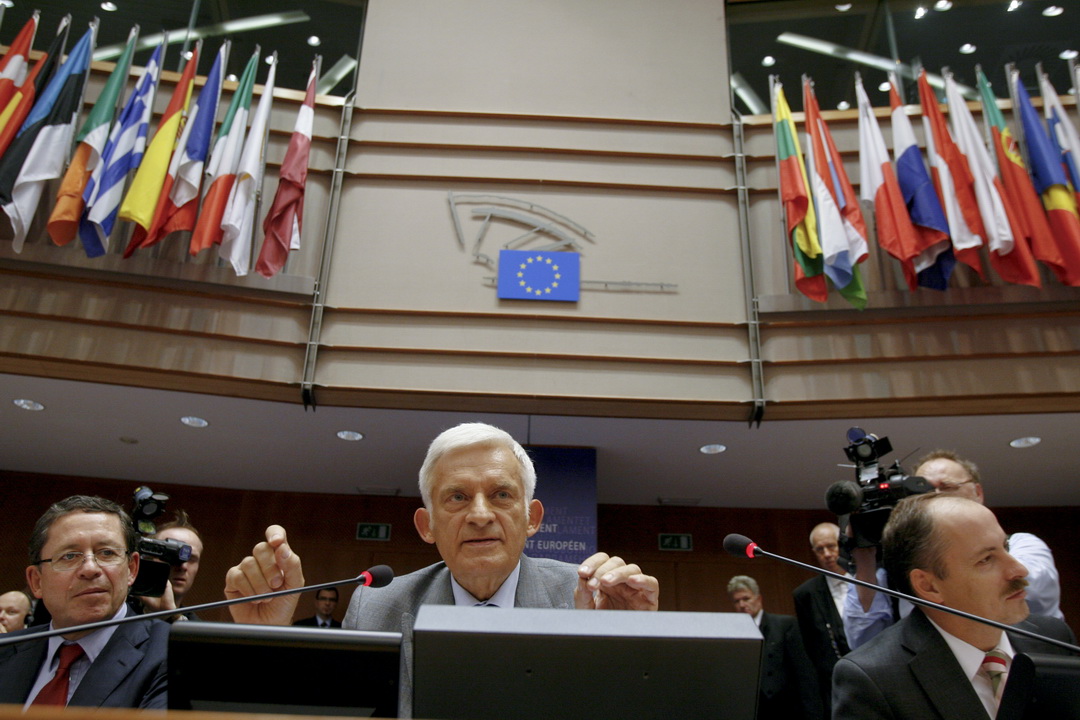
[2005-06-01] Z inicjatywy Pana Jerzego Buzka - Posła do Parlamentu Europejskiego oraz innych eurodeputowanych 1 czerwca 2005 r. odbyła się w Parlamencie Europejskim w Brukseli konferencja poświęcona problematyce patentów komputerowych "Conference on Patent Policy Making". Została ona zorganizowana przy współpracy z takimi organizacjami, jak Foundation for a Free Information Infrastructure (FFII) oraz Computer & Communications Industry Association (CCIA).

Summary of the Conference:

The morning session was chaired by Mr Peter Jungen of the European Enterprise Institute. He started by giving a general overview of the debate surrounding the software patents issue. He presented a sentiment which was stressed by many other participants as well: patent policy is a tool which can be used in innovation policy, but only when and where it is deemed to be necessary and appropriate. The problem is improving competitiveness and innovation, and patents are but one tool in the policy maker's arsenal. They should be used wisely. Professor Brian Kahin's (Michigan University) theme was "drawing lines". He noted the confusion between the different status quo's EPC, EPO case law, member state case law, TRIPs, ...) and how "harmonising" a non-definition of "technical" will probably result in a continuing evolving interpretation of that term (as opposed to keeping the status quo). Recent changes in US practice were reviewed, such as the phenomenon of "patent trolls", and liability and infringement have become major topics. He also noted 3 large studies on this topic have been performed in the US since the directive was originally launched.
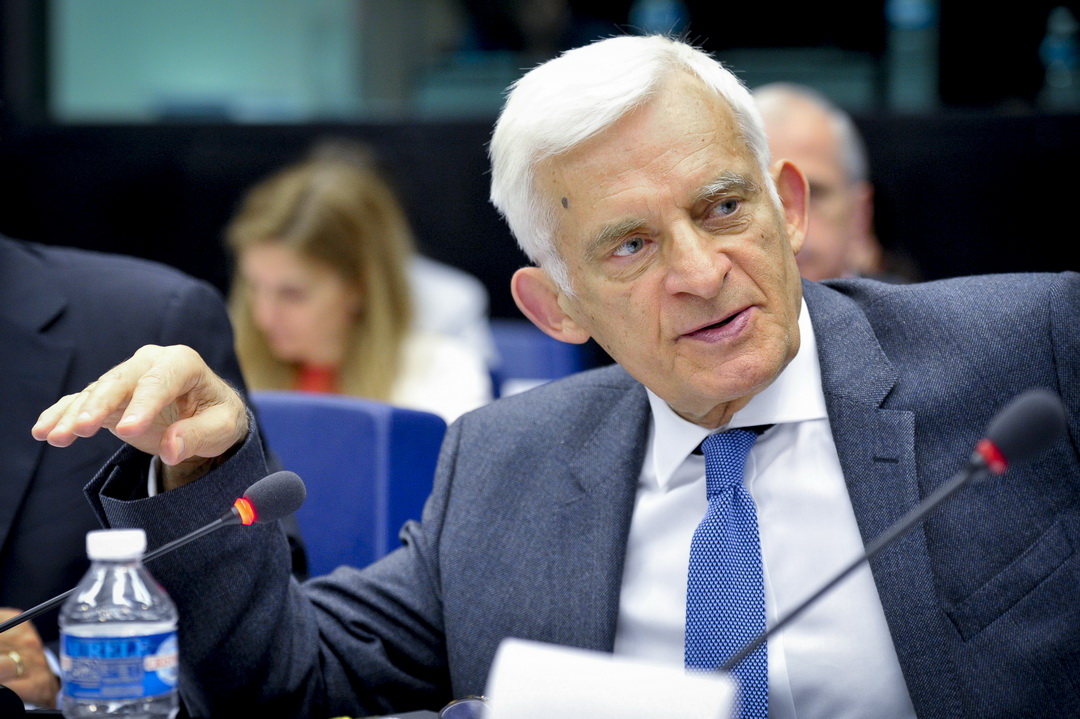
Jerzy Buzek MEP noted the fact that while software can be very expensive to develop, patentable inventions are even more expensive. After all, the intellectual work may in both cases be comparable, but in the latter case one also needs expensive real world experimentation. From his experience at the university, work solely destined for patenting usually cost 10 or more times as much than work solely geared at publication. Mr Buzek also presented 5 myths heard regularly in the context of this directive:
1) patent rights are always good for the economy,
2) software patents will certainly help SMEs,
3) software patents will not harm Free Software,\
4) only Free Software supporters are protesting and
5) all problems can be solved with anti-trust policy.


Professor Luc Soete of the MERIT Institute (Maastricht) noted that the requirement of a "technical contribution" does not lead to an inherently different practice than what they have in the US. He also noted that business methods can be patented at the EPO by describing them as being computer-implemented, and that in general copyright offers a much better balance. Nevertheless, he did remark than one difference with the US is that the quality of the patents handed out by the EPO are overall of a higher quality.
Maria Cimaglia of UEAPME, which represented over 11 million European SMEs, noted that her organisation held two consultations on this topic. In both cases, a very strong position against the line of the Commission and Council became apparent. UEAPME stakeholders prefer copyright, because patents make the market more oligopolistic, which is negative for SMEs. She also noted her organisation can only take positions by unanimous consent of its member associations.


Mr Yannis Skulikaris of the EPO noted that the EPO is simply the executive branch and can only work in the framework laid down by the legislative branch. He said that it might be possible that patents may not have overall positive effects in a particular field, and if the legislative branch determines this is the case, they will follow. He stressed that the EPO's practice was different from the US practice because of, a.o., the "technical effect" requirement, even though Professor Soete earlier on had said this does not cause any significant differnces.

In the afternoon, the business and economy session was chaired by Valdis Dombrovskis MEP.
After his introduction, the first speaker on this panel was Professor Birgitte Andersen of Birbeck University of London. She noted that most policy in this field is based on a "belief scheme", where it is assumed that stronger IPR's automatically create more incentives to innovate and creates more innovation-based competition. Some problems with this assumption are effects of strategic usage of IPRs and the specific nature of certain kinds of knowledge. In the end, the question is whether we want to give a few companies a large slice of the pie, or many companies a smaller piece of the pie. In the latter case, the pie will also probably be bigger, so that even more companies can profit from it.

Dr Andreas Müglich of the Institut für Internet-Sicherheit presented the results of a company questionnaire sent out by the German government, with responses from 1214 participants ranging from large to small IT companies. The conclusions are that companies are rather well-informed about the topic of software patents, that the effects of such patents on innovation are overall estimated as rather negative and that most enterprises do not have the resources necessary to check whether their work doesn't infringe on patents. They do not expect extra publication of knowledge due to CII patenting. Only 23 companies said they would not be affected by software patents, 915 expected negative effects.
Kaj Arnö, VP of MySQL AB, started by presenting his company. They are an Open Source company, but nevertheless based on IP and not just on services. They have some of the biggest companies in the world as customers. They own the copyright to all of their code, have an own trademark and even own some software patents. He favours the idealistic free enterprise model, whereby each company has the right to strive for profits and where software developers own what they write. He mentioned that the US is looking very intensely at the European "P-Day" to decide on how to move on. In conclusion, noted his support for Mrs Kauppi's amendments.
Dr Stefan Pollmeier, CEO of a small German SME active in the industrial automation sector, noted that copyright is sufficient for his company as far as software is concerned, and that other SMEs in the automation industry agree with him. He mentioned National Instruments taking over German companies after blocking their sales in the US using software patents. Many companies are afraid because the meaning of "technical" has been weakened so much.

powrót 


GALERIA
WYBORY 2009
7 czerwca, w wyborach do Parlamentu Europejskiego, wybraliśmy 50 posłów z Polski. Platforma Obywatelska uzyskała 44,43 proc. głosów i dzięki temu zdobyła 25 mandatów.


Kraków, zdjęcia, zdjęcie, fotografie, fotografia, photos